| cart total | |
|---|---|
Sathva Foods
The familiar flavours, cherished memories and little joys that make Deepavali special.
There was a time when we knew Deepavali was coming before we even looked at the calendar. The house would be cleaned, the kitchen would fill with the aroma of festive snacks, and everyone would be eagerly waiting for the big day. Times have changed, but the joy of these little traditions stays with us.
Deepavali is almost here
Sunday, 8 November 2026
Wishing you and your loved ones a beautiful Deepavali, filled with light, laughter and familiar flavours.
Different homes. Different childhoods. Traditions that stay with us.
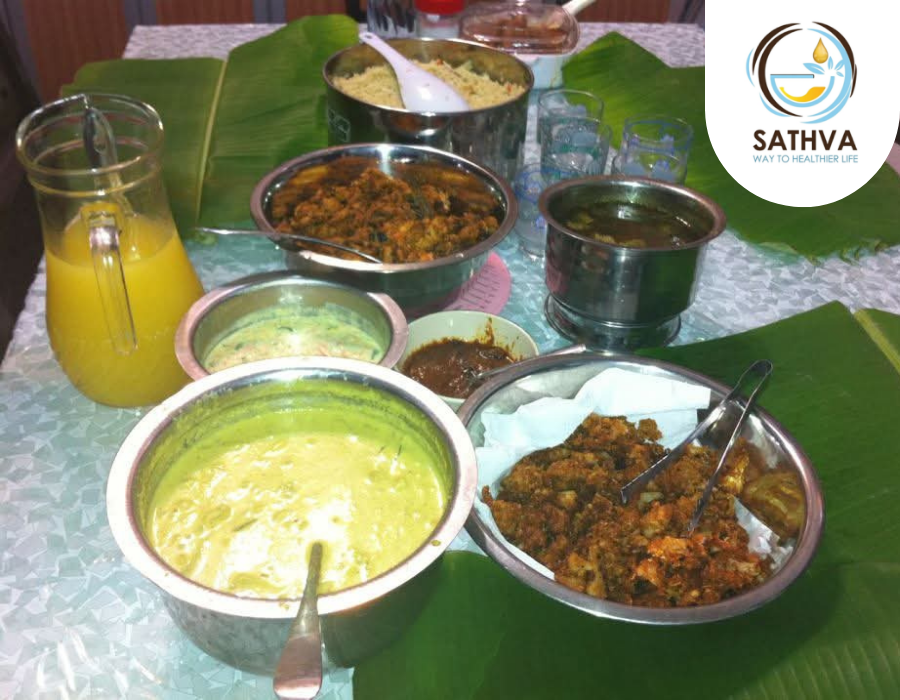
Growing up in Malaysia, Deepavali was always the festival I looked forward to the most. It was the only Hindu festival we had a public holiday for, which made it even more special for us as children.
But the excitement never started on Deepavali day itself. It began weeks before.
I still remember how we would prepare our house for Deepavali. We didn't hire painters. Instead, the whole family would get involved in painting the house ourselves! It was a lot of work, but also part of the excitement of welcoming Deepavali.
There would be new curtains, freshly stitched by Amma, new cushion covers and a house that had been cleaned from top to bottom.
Looking back, I realise how much effort went into getting the house ready. These days, we don't really do things that way anymore. We buy what we need or get someone to do the work for us. But back then, preparing the house together was a celebration in itself.
At school, we would exchange Deepavali greeting cards with our friends. Those colourful cards would later find a place in our homes as decorations. I still remember the joy of receiving them and displaying them around the house.
And of course, there was the food!
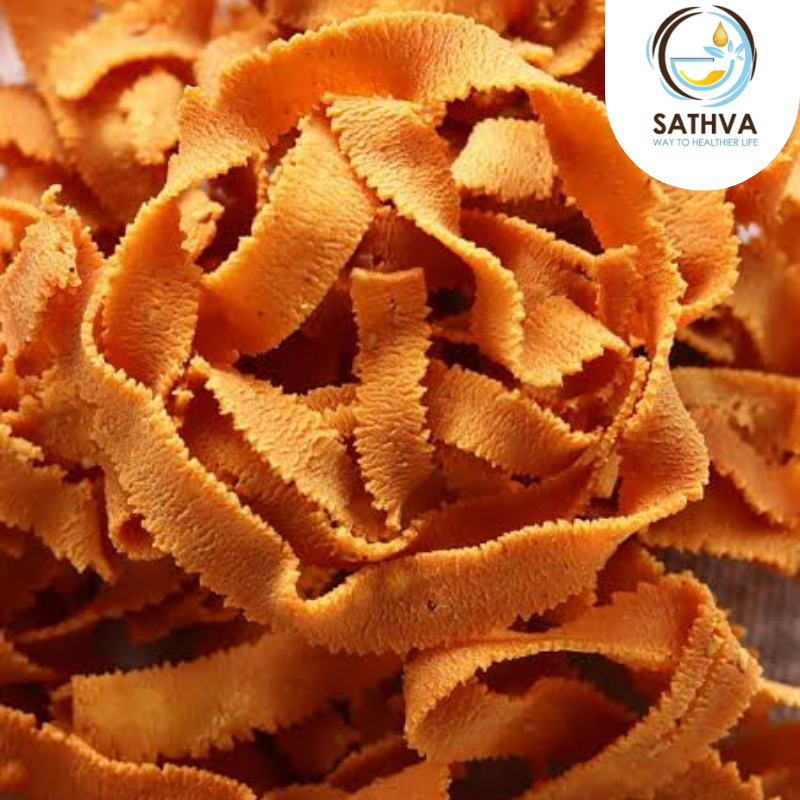
Almost a month before Deepavali, we would start planning what cookies and savouries to make. Murukku, oma podi and ribbon pakoda were a must in our house. Deepavali preparations never felt complete without them.
One of my fondest memories is Deepavali eve.
We would gather at my uncle's house for dinner with our extended family. All the cousins would be together, and the highlight of the evening was always the fireworks!
There was so much laughter and excitement. We would play together, watch the fireworks and enjoy being with everyone.
Even after returning home, the night wasn't over.
We would stay up late watching the special Deepavali programmes on television. At the same time, we would help Amma prepare for the next day's cooking, cutting vegetables and getting ingredients ready.
I remember the television playing in the background while we helped in the kitchen.
We would go to bed very late, knowing that we had to wake up early the next morning. But somehow, on Deepavali, being tired never seemed to matter!
The next morning, Amma would wake us up early.
We would have our bath, seek blessings from Amma and Appa, and finally get to wear the new clothes we had been waiting for.
Then we would head to the temple as a family.
At home, breakfast was always something to look forward to. There would be idli and masala suyam, among other things. Even today, those dishes remind me of Deepavali mornings in Malaysia.
But what I remember most vividly is the palagaram basket.
Different homemade sweets and savouries would be stored in separate containers and arranged together. Murukku, oma podi, ribbon pakoda and all the other goodies we had spent days preparing would finally be ready for everyone to enjoy.
As children, my cousins and I would keep going back to those containers throughout the day. A little murukku here, some mixture there — we were always munching on something!
Since Appa was the eldest among his siblings, our house would become the gathering place for the family on Deepavali.
My uncles, aunts and cousins would come over, and we would spend the day together.
Lunch and dinner were always family affairs. There would be plenty of food, conversations going on everywhere, and cousins moving from one part of the house to another.
The house was never quiet on Deepavali. And I think that was what made it so wonderful.
It wasn't about having an elaborate celebration. It was simply about having everyone together.
Another memory I treasure is visiting our Malay neighbours.
My sister and I would take some of the homemade Deepavali goodies and bring them over to their homes.
And they would give us their homemade goodies in return.
It was such a simple exchange, but it meant so much. We were sharing a little part of our celebration with them, just as they shared theirs with us.
Growing up in Malaysia, this was a beautiful part of celebrating festivals. Different families, different cultures, but the same joy of sharing food and celebrating together.
When I look back at those Deepavali celebrations, I realise that the things I remember most aren't necessarily the new clothes or the fireworks.
It's Amma stitching the curtains.
It's all of us painting the house together.
It's the Deepavali cards from school decorating our home.
It's staying up late to help Amma in the kitchen while watching television.
It's the containers of homemade palagaram, the house full of cousins, and taking goodies over to our neighbours.
So many little things that seemed ordinary at the time have become some of my most treasured memories.
Today, Deepavali celebrations have changed. Life is busier, families are spread across different places, and many of the things we once prepared ourselves can now be bought easily.
But I hope we never lose the joy of preparing, sharing and celebrating together.
Because when I think of Deepavali, more than anything else, I remember the feeling of being home.
— Gayathri, Sathva Foods
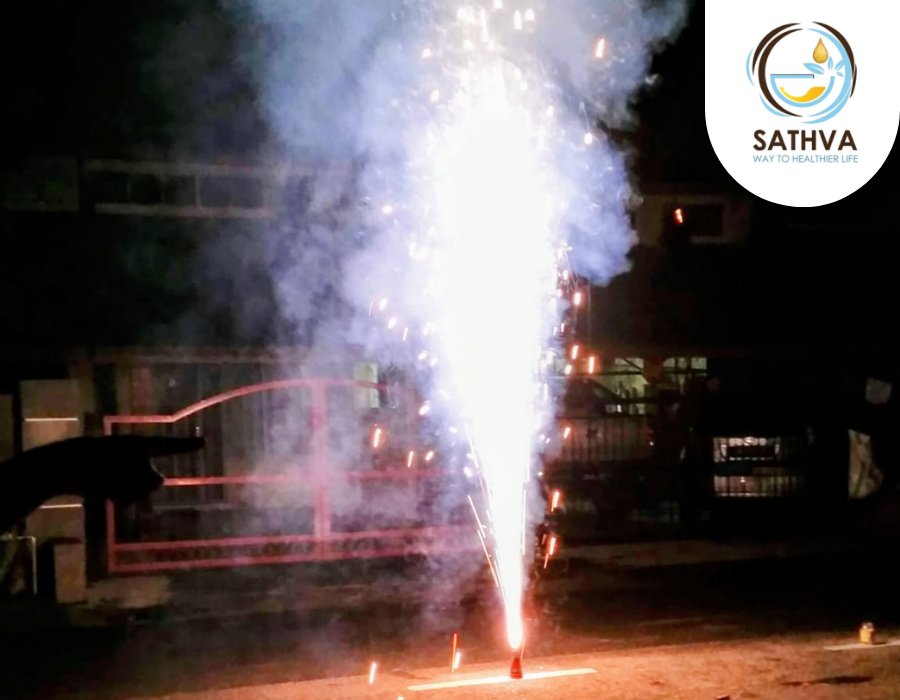
For me, growing up in Lalgudi, Tamil Nadu, Deepavali meant one thing above everything else — PATTAASU! (Fireworks!)
And not just any fireworks. The mighty 10,000 wala!
That continuous pada-pada-pada-pada sound echoing through the streets was the real announcement that Deepavali had arrived!
Forget alarm clocks. Once the crackers started bursting, the entire neighbourhood knew it was time to celebrate.
We were five siblings, and buying fireworks was serious business in our house!
My eldest brother was in charge of dividing the crackers among all of us. Each of us would eagerly wait for our share, probably hoping to get just a little more than the others!
And we didn't simply buy the fireworks and forget about them until Deepavali.
Every day, we would take them up to the mottai maadi — the open terrace of our house — and spread them out to dry in the sun.
We did this to keep them dry so they would work properly when the big day arrived.
Imagine five siblings carefully looking after their collection of fireworks for days, waiting for that one night when we could finally light them!
Those crackers were precious possessions.
And then there were the new clothes.
Today, we buy clothes whenever we need them. But back then, getting a new dress for Deepavali was a celebration in itself.
The excitement of wearing something brand new, specially bought for the festival, was something else.
We would look forward to it for days.
It didn't have to be expensive or fashionable. Just knowing it was our Deepavali dress was enough to make us happy!
Deepavali eve was when the real fun began.
Sleep? What sleep?
We would spend the night with our friends, walking around the streets of Lalgudi, lighting fireworks and enjoying the celebrations happening all around us.
There was excitement everywhere.
Every few minutes, you would hear another burst of crackers from somewhere in the neighbourhood.
We would move from one street to another, meeting friends, watching the fireworks and joining in the celebrations.
And, of course, there was nothing quite like the thunderous sound of a 10,000 wala going off!
The louder and longer it went on, the more exciting it was.
There was no hurry to go home, no thought of how late it was getting.
We had waited all year for this night!
By the time morning arrived, we would finally be ready to sleep.
For us, Deepavali wasn't just a day of celebration. It was a night of celebration too!
If fireworks were the highlight of Deepavali, food came a very close second.
In our house, suzhiyam (also called thoppam in our family) and bajji were an absolute must.
Deepavali simply wouldn't feel complete without them!
But the best part was that we didn't eat only what was made at home.
Everyone in the neighbourhood would exchange homemade palagaram.
One house would send over their special sweets and savouries, another family would share something different, and before long, there would be so many varieties to taste.
And naturally, we had to try everything!
Throughout the day, we would keep eating palagaram from different houses.
Every family had its own way of preparing the same dishes. A murukku from one house would taste different from another. Some snacks would be spicier, some sweets richer.
There was always something new to taste.
Looking back, I think we spent almost as much time eating as we did bursting crackers!
One of the things I remember most about Deepavali in Lalgudi is how the celebration extended beyond our own home.
It wasn't only about our family.
Friends, siblings, neighbours — everyone was part of it.
We shared food, exchanged greetings, walked through the streets together and enjoyed the excitement of the festival.
Nobody needed a special invitation to feel part of the celebration.
The sound of crackers, the smell of freshly prepared palagaram and the sight of everyone in their new clothes made the whole town feel festive.
I think I would go straight back to those streets in Lalgudi.
To the days when five siblings eagerly waited for their share of fireworks.
When drying crackers on the mottai maadi was part of our daily routine.
When a new dress brought so much happiness.
When every neighbour's home had a different palagaram to taste.
And when we spent the entire night with friends, celebrating until the sun came up.
Today, Deepavali may be celebrated differently. We have grown older, and many things have changed.
But even now, whenever I hear the familiar sound of a long string of crackers bursting, I am reminded of those childhood days.
Because for me, the sound of a 10,000 wala will always be the sound of Deepavali!
— Viswa, Sathva Foods
Some recipes were never written down. A handful of this, a little of that, and years of experience were enough. Let's keep those familiar flavours alive.
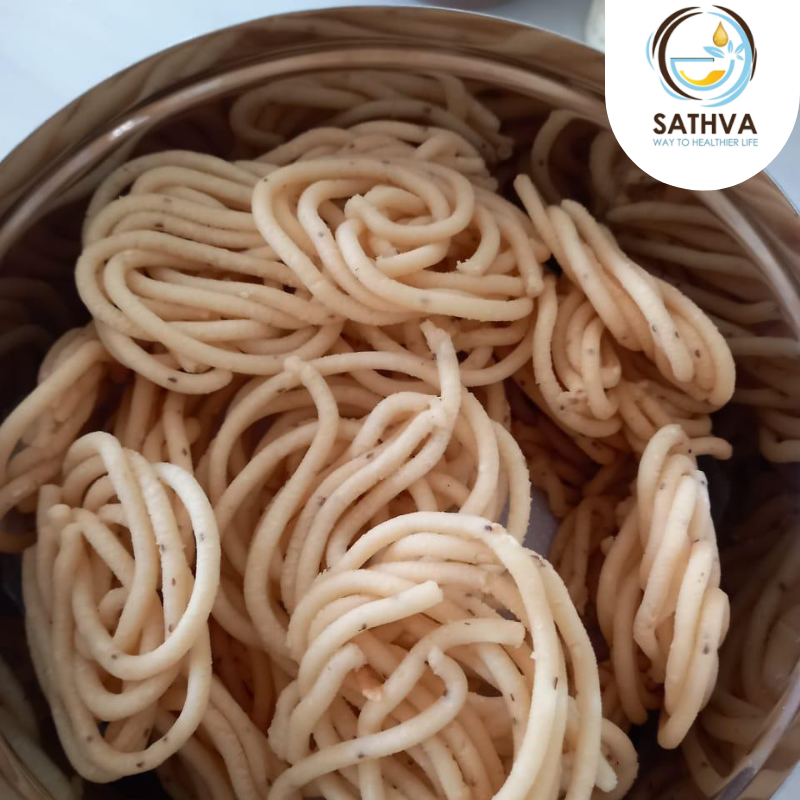
1 packet Sathva Murukku Flour
1 cup roasted Bengal gram flour
2 tsp sesame seeds
2 tsp butter
Salt, if needed (Sathva Murukku Flour already contains a little salt)
Water, as required
Oil, for deep-frying
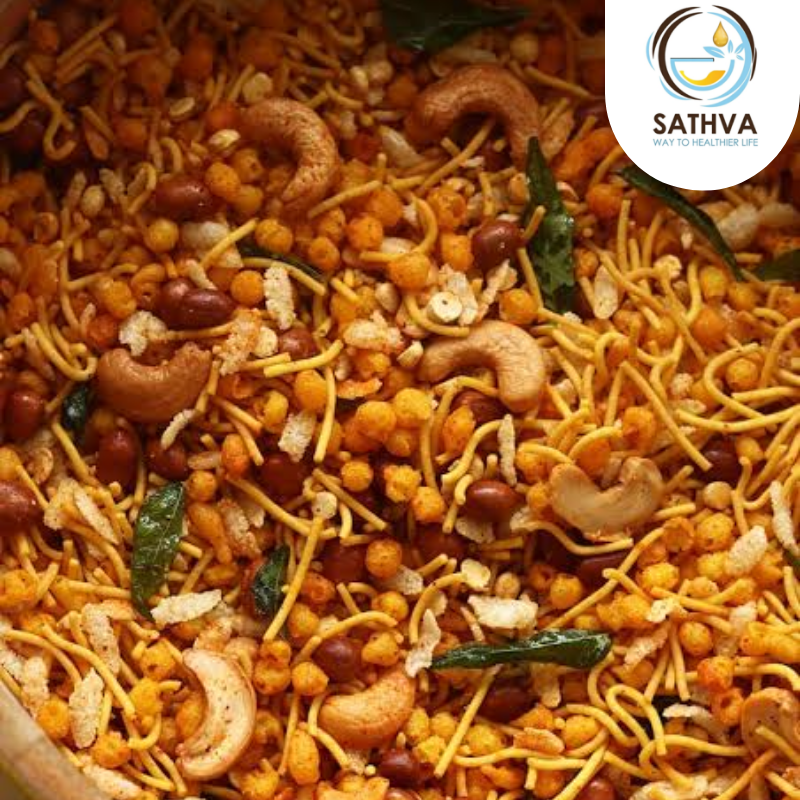
For the oma podi
4 cups besan flour (Bengal gram flour)
1 cup rice flour
Water, as required
Salt, to taste
Oil, for deep-frying
For the boondi
2 cups besan flour
¼ cup rice flour
2 pinches baking soda
Salt, to taste
Water, as required
For the mixture
Groundnuts
Aval (flattened rice)
Curry leaves
Cashew nuts
Chilli powder, to taste
Salt, to taste
4 cups raw rice
1 cup Bengal gram (chana dal)
1 cup urad dal
1 large onion
4 garlic cloves
½–1 tsp chilli powder (adjust to spice preference)
1½ tbsp butter
Salt, to taste
Water, as required
Oil, for deep-frying
The early morning oil bath. The kolam at the doorstep. The lamps we light. Little customs with stories worth passing on.
*Why is an oil bath so important on Deepavali?*
The idea is beautiful — just as we clean our homes for Deepavali, we begin the festival by cleansing and renewing ourselves.
Long before the sweets, fireworks and new clothes, Deepavali begins with a sacred ritual — the traditional oil bath. But this is no ordinary bath!
According to Hindu tradition, on this auspicious morning, Goddess Lakshmi is believed to reside in the oil and Goddess Ganga in the water. Taking an oil bath before sunrise is therefore considered as sacred as bathing in the holy River Ganga.
The ritual is also linked to Lord Krishna's victory over Narakasura, symbolising the removal of darkness, negativity and evil.
The warm sesame oil massage, according to Ayurveda, is traditionally valued for relaxing the body, nourishing the skin and calming the mind.
This little story is on its way.
This little story is on its way.
This little story is on its way.
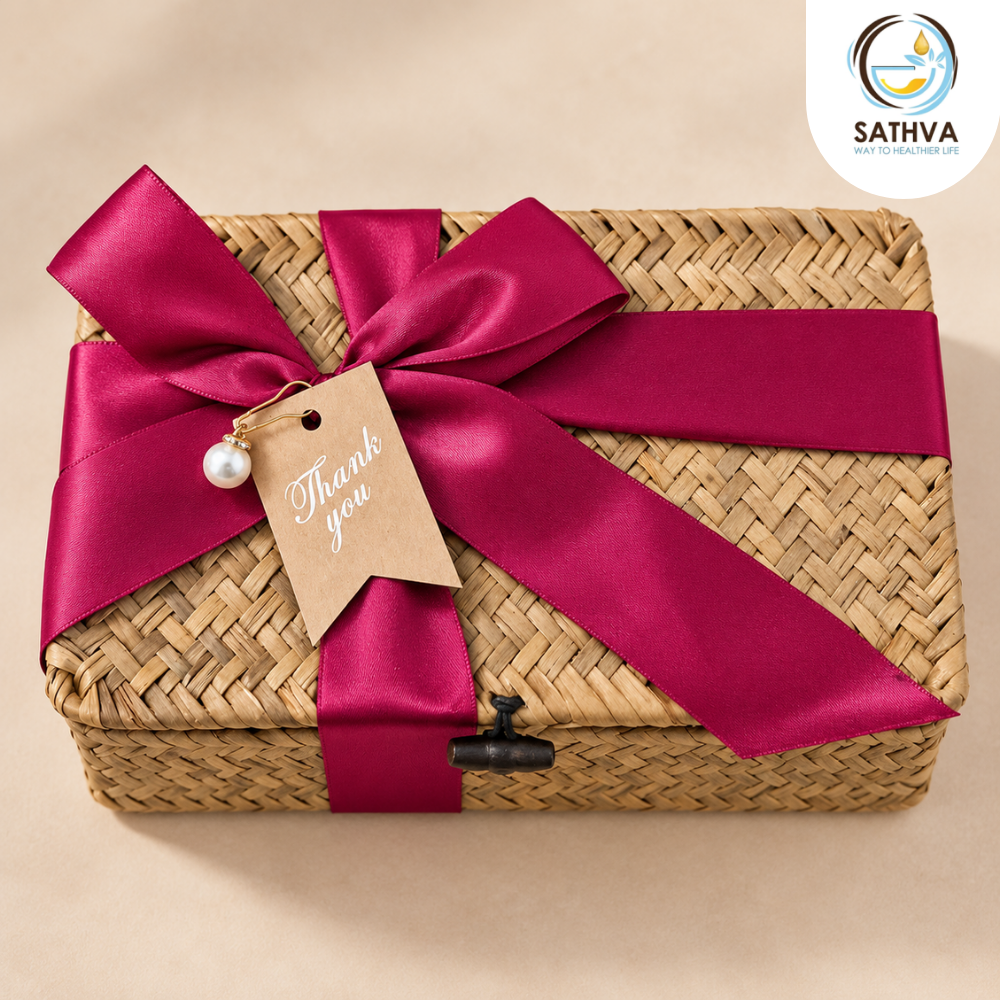
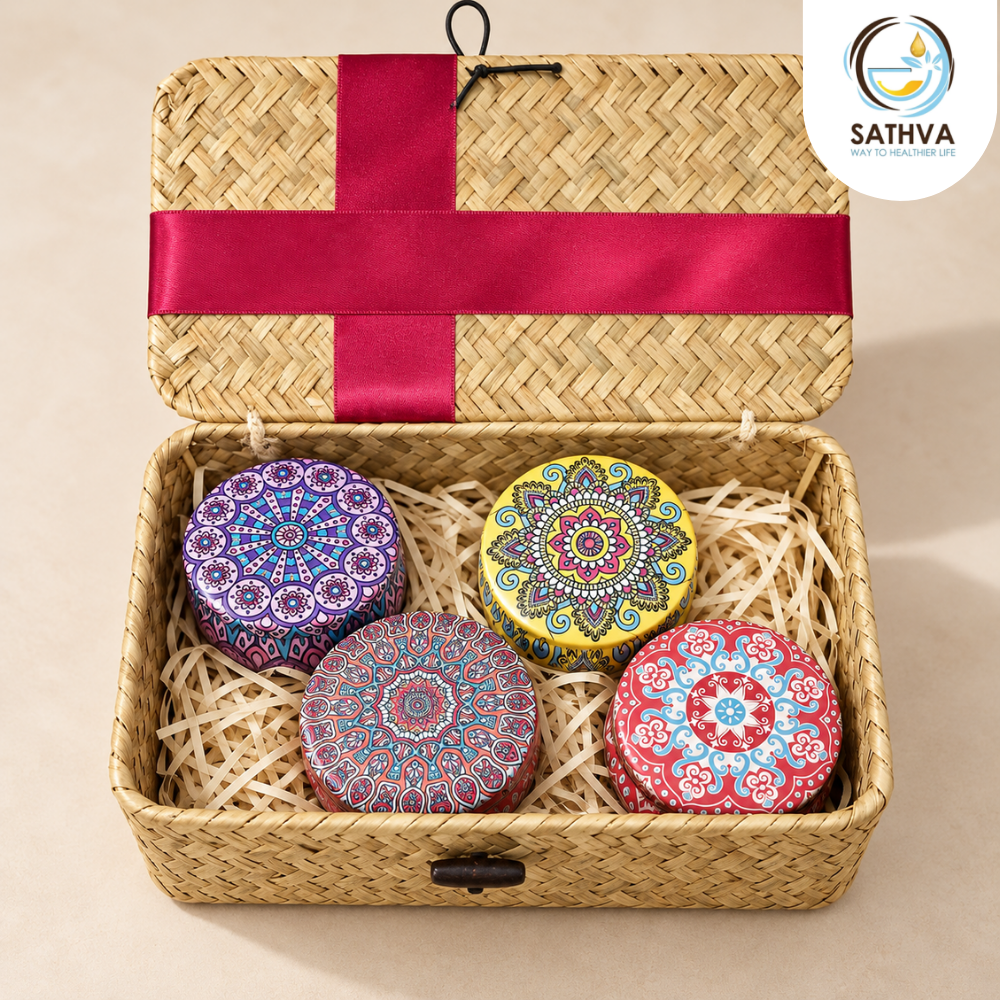
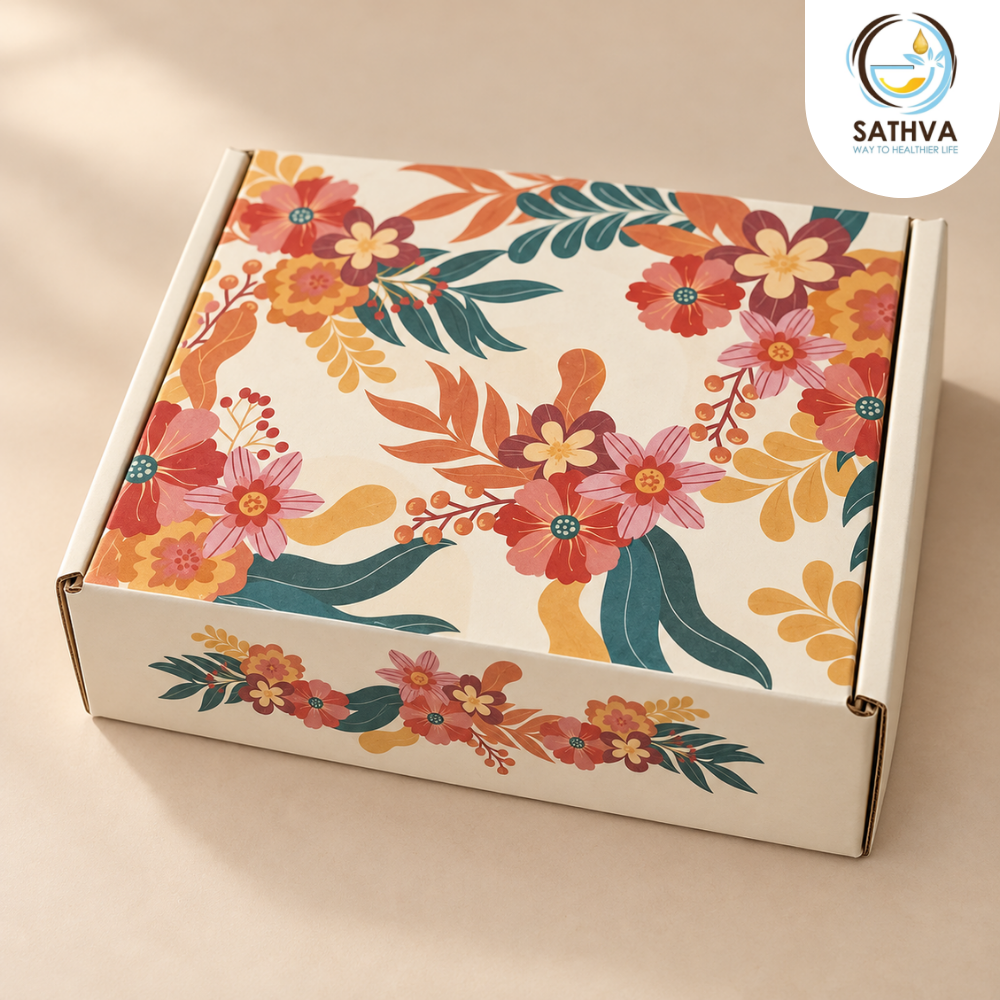
There was a time when visiting someone's home meant carrying a little something along. It didn't have to be expensive. And when guests came over, our elders would never let them leave empty-handed. This Deepavali, why not bring back that thoughtful tradition?
Tell us your preferred products, your budget and how many you need, and we will put something together with you.
Thoughtful Gifts, Created by Our Customers
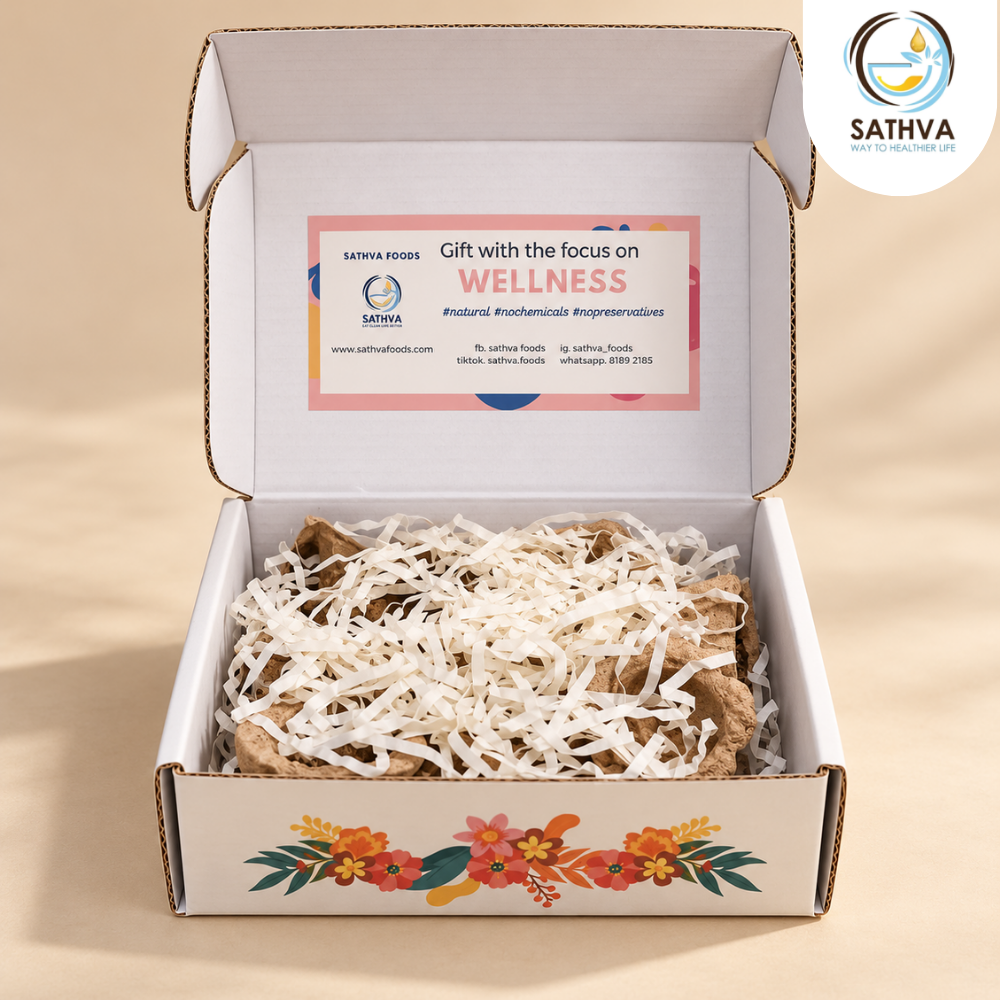
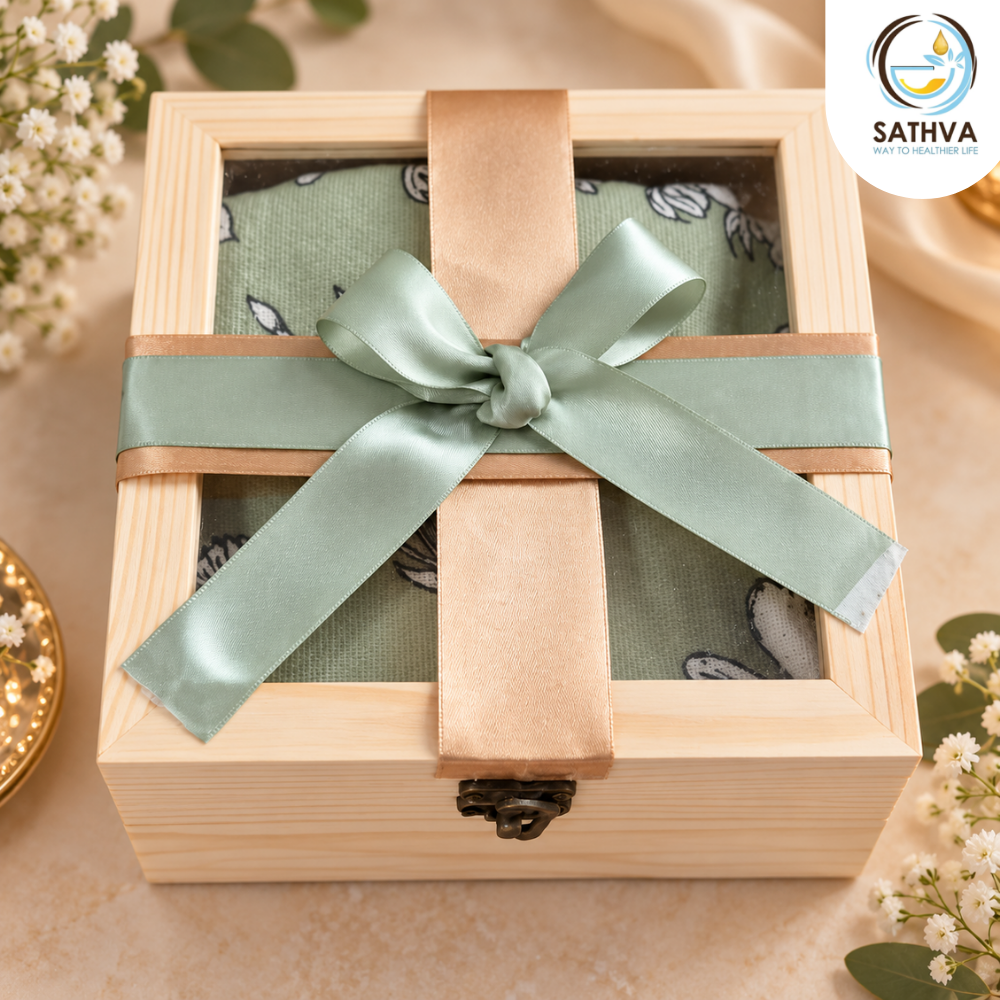
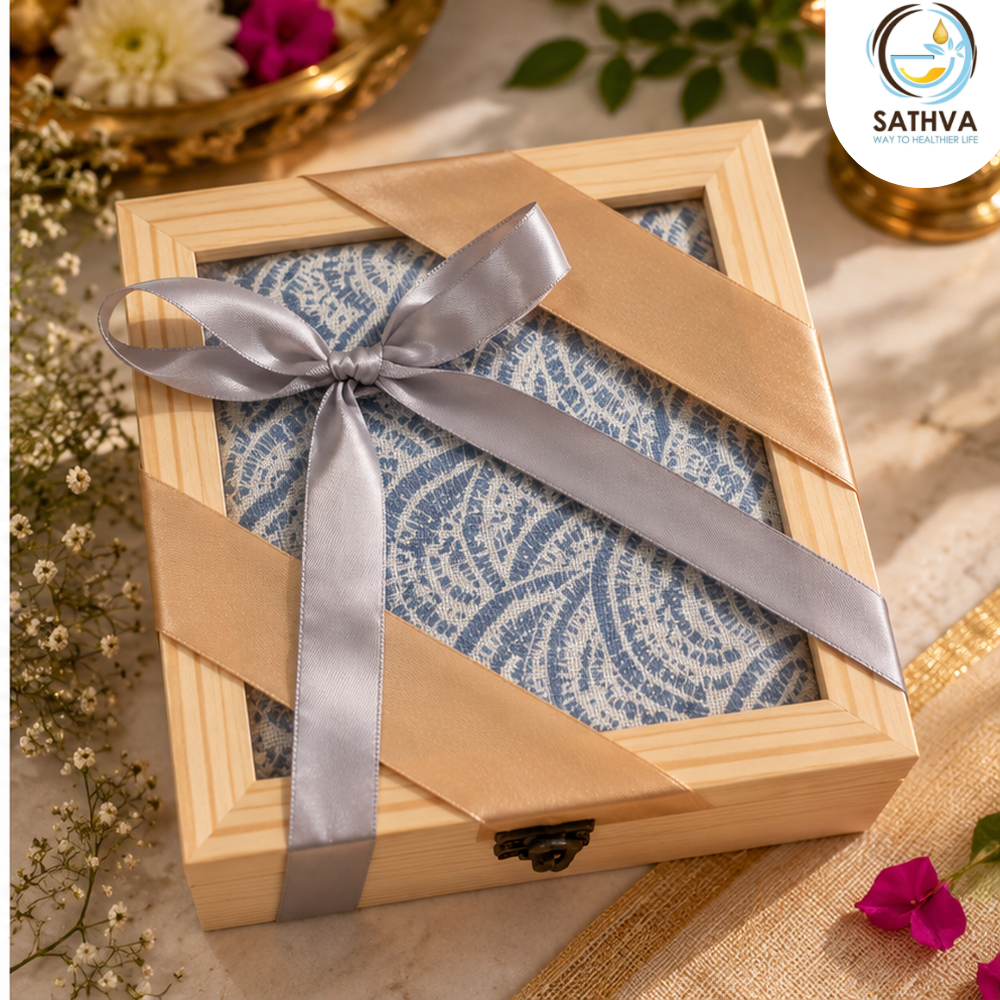
Rice flour for murukku, jaggery for sweets, lentils for savouries and the familiar ingredients that bring our family recipes to life. Explore the pantry essentials for your festive cooking.


Sathva Foods & Granjoy
Spend with us this Deepavali and take home a Granjoy premium designer cushion cover, 100% cotton, with our compliments.
Offer valid from 23rd October to 10th November 2026
Nine premium designer prints, 100% cotton

Tell us which design you would like by typing its name in the remark box when you check out.
A favourite family recipe? A childhood memory? A tradition you still follow? We would love to hear your story.
May our homes be filled with laughter, our tables with familiar flavours, and our hearts with gratitude. May the little traditions we grew up with continue to bring joy to the generations that follow.
Wishing you and your loved ones a beautiful Deepavali
- The Sathva Family